We have been talking for a while about our AI agents, about how they automate tasks, reduce the administrative burden and support healthcare professionals in their day-to-day work. But… what do we actually offer?
At Omniloy we design agents specifically for clinical environments, able to understand healthcare context, operate with sensitive data and execute tasks within critical systems. These agents have been built with security as a principle from the design stage, ensuring control, traceability and alignment with real clinical workflows.
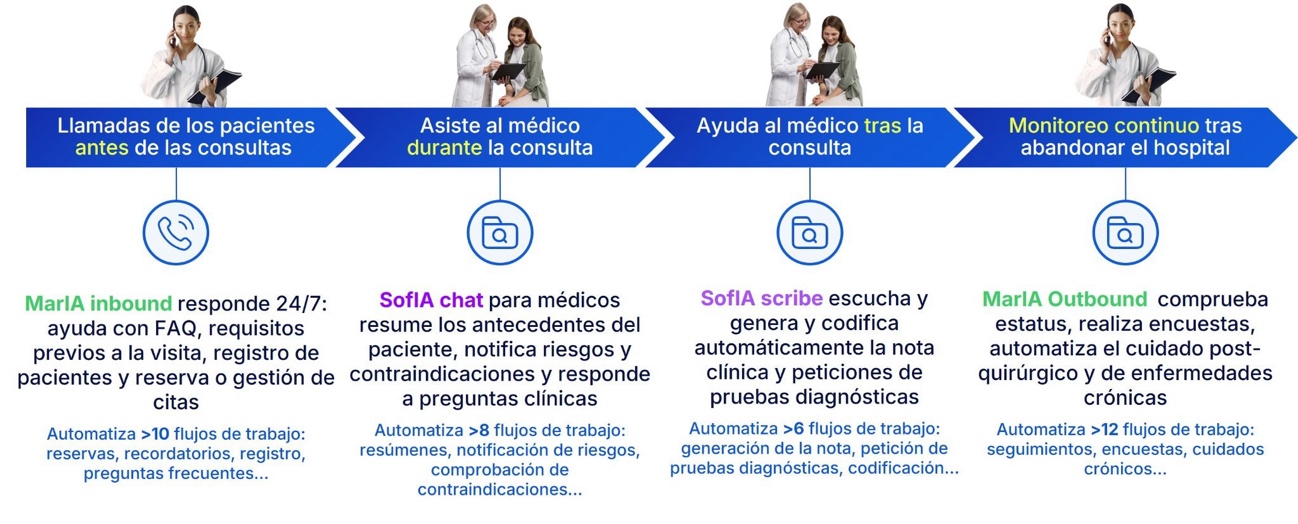
Our family of agents covers the entire patient journey.
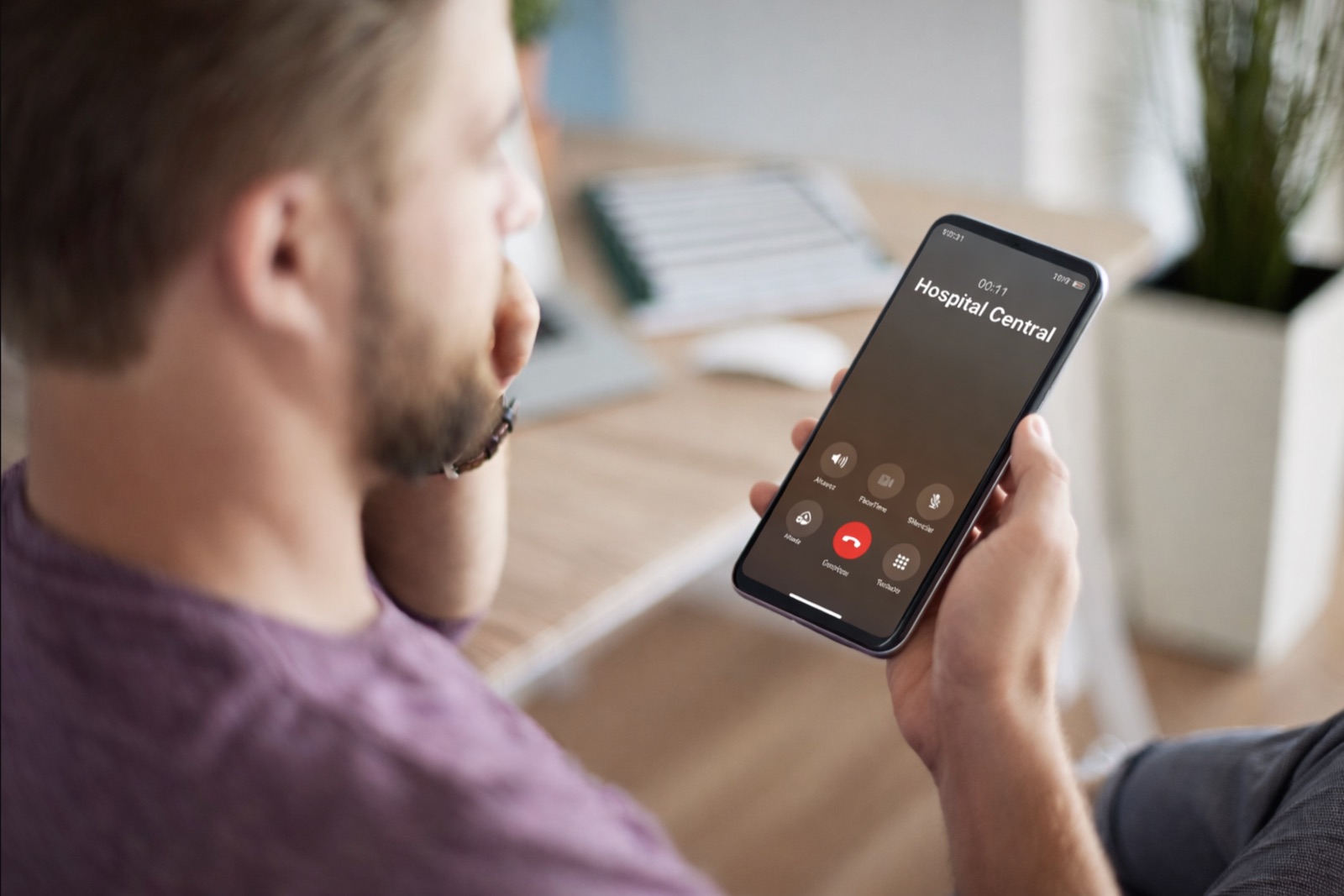
MarIA manages patient interaction. The MarIA Inbound module answers calls and WhatsApp 24 hours a day, resolves frequent questions and books appointments, freeing administrative load at the front desk and enabling continuous, accessible communication. MarIA Outbound is able to proactively follow up with chronic or post-operative patients, as well as collect satisfaction surveys.
During the consultation, SofIA Chat acts as a clinical copilot, helping the professional navigate the medical record, resolve doubts and support decision-making, always based on clinical guidelines selected by the specialist. SofIA Scribe, in turn, listens to the clinical conversation in the background, turns it into structured documentation and suggests the ICD-10 coding of history and allergies.
What matters is not only what they do, but that they are designed to act, not just respond, within the clinical environment.
Real integration into the medical record (EHR)
The key difference of our agents is not only what they do, but where they do it. Instead of working as external tools, they are integrated directly into the medical record systems.
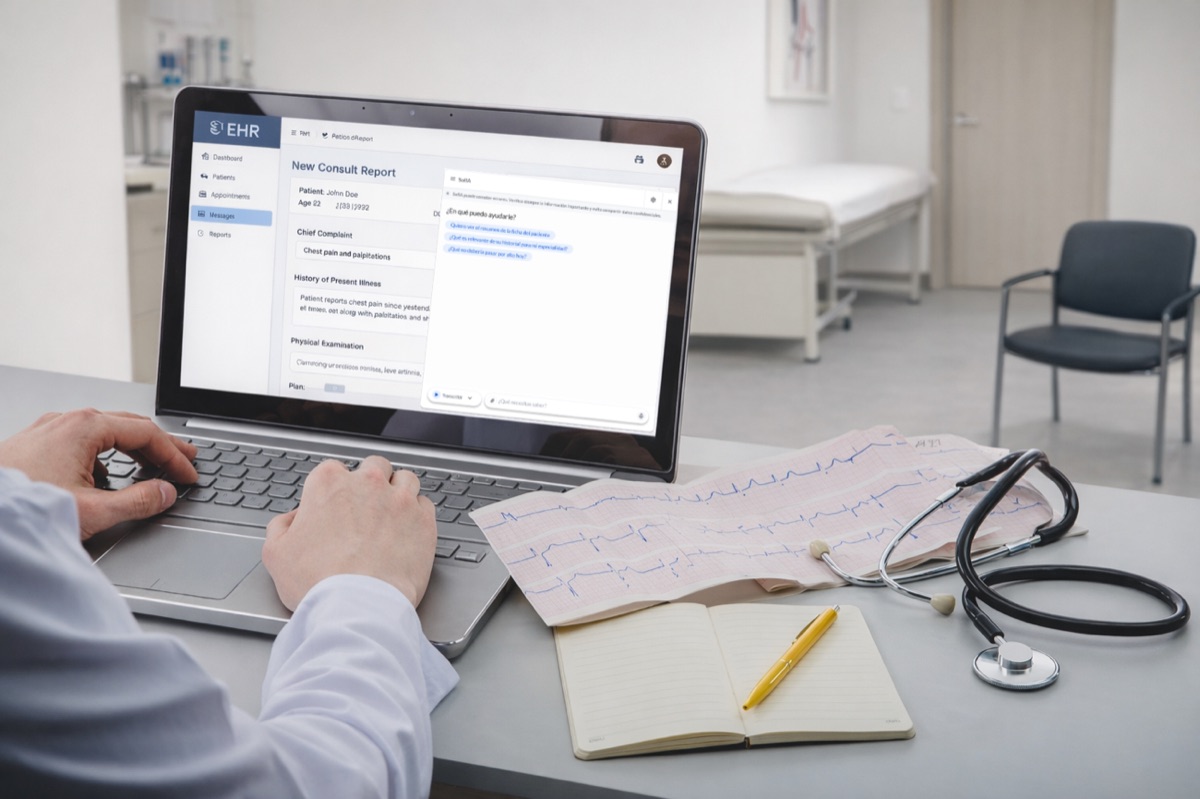
This lets them work on the patient's own record, without forcing the professional to switch environments or duplicate tasks. Information flows naturally, keeping clinical coherence, guaranteeing the traceability of every action and the security of the data handled.
In practice, this means SofIA can interpret history, medication or test results in real time, while the documentation capabilities automatically complete structured reports within the system itself. The result is clear: the EHR stops being a passive repository and becomes an active, intelligent interface.
A modular platform to scale automation
The Omnicare platform is not just a set of agents, but a platform designed to grow with each organization.
Its modular architecture lets hospitals and clinics activate different components according to their needs, whether in patient care, administrative automation or clinical support. All these modules share the same technological foundation, which keeps information connected and lets automations scale without friction.
The platform also adapts to each center's workflows and to each medical specialty. This not only improves the accuracy of the agents but also ensures their implementation has real impact from the very first moment.
The real impact on everyday clinical work
Beyond the technology, the value of the agents is measured by their operational impact.
In the case of MarIA, hospitals such as HCB are already using these agents to automate call and appointment management at scale. Before implementation, handling roughly 30,000 monthly appointments required three operators. With automation, a large share of these interactions are handled automatically, letting a single operator focus on complex or exceptional cases.
SofIA transforms the clinical consultation, cutting up to 40% of the administrative tasks tied to medical documentation. By automating transcription, structuring clinical notes and easing access to patient information, professionals can recover up to two hours a day.
Each agent drives efficiency in its own area, but it is their combined action that marks the real transformation: a hospital that flows better, responds faster and frees up time for what is essential, improving the experience for both professionals and patients.
Want to know how our agents are already helping some hospitals? Talk to our team.